李牧 Li mu
http://www.iamlimu.org
李牧 Li mu
GB2312limuff@hotmail.comhttp://www.iamlimu.org/blogview.asp?logID=409<![CDATA[GOOD FOOD,GOOD SLEEP]]>AdminWorks2026-10-29 05:00 PM=538) {this.width=538;}" onmouseover="this.style.cursor='hand';" alt='按此在新窗口打开图片' onclick="window.open(this.src);">
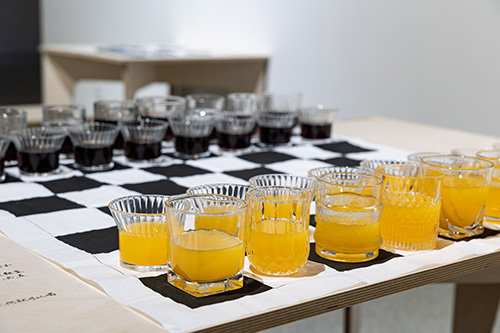
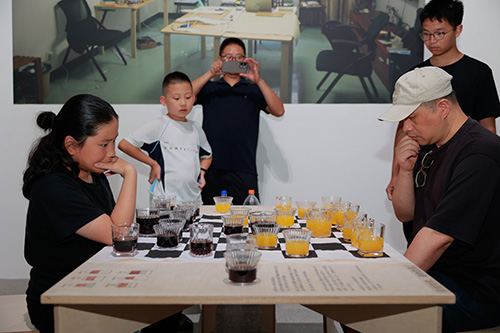
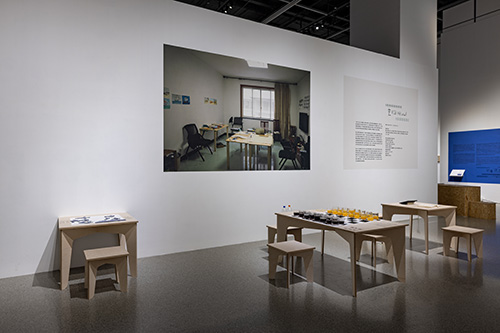
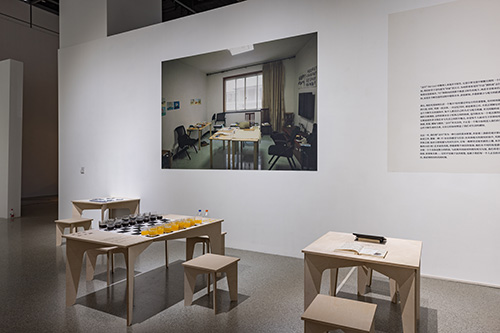
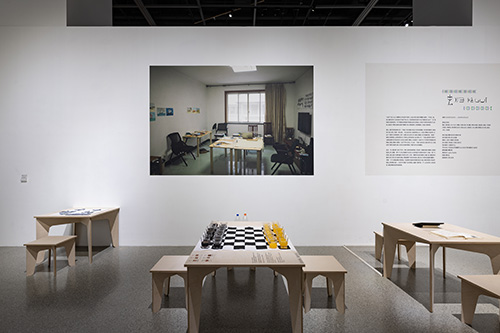
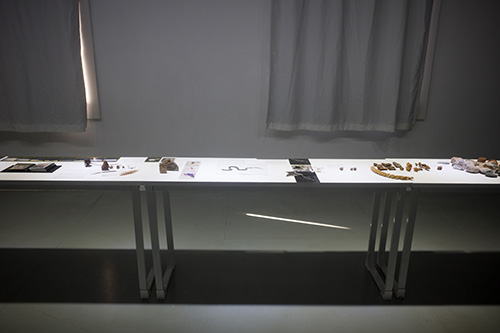
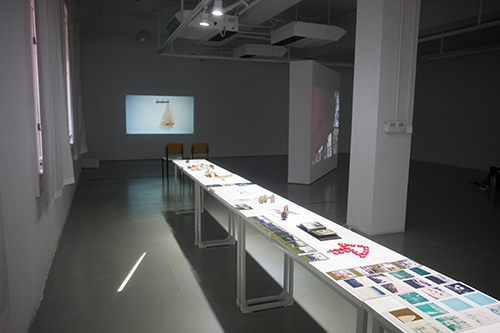
Good Food, Good Sleep Installation and Live Performance Li Mu and Zhien, 2026 Exhibition: Qu Gui Venue: Quzhou Art Museum Organized by: Copper Field Project × Quzhou Art Museum
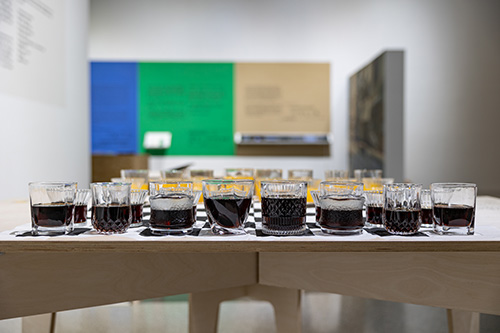
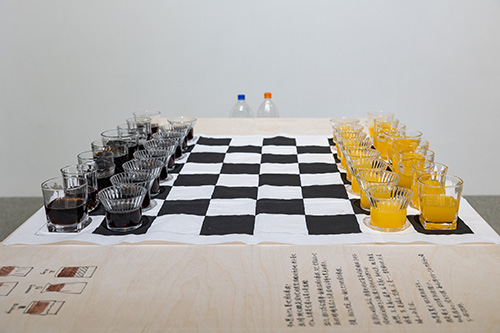
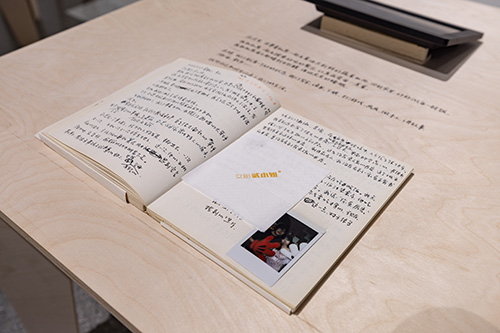
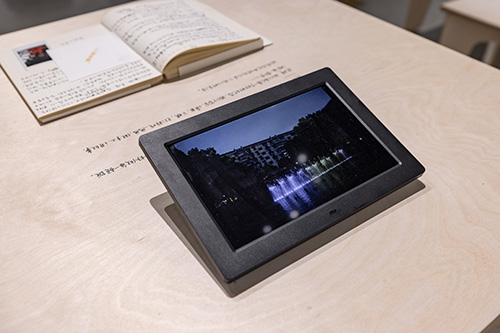
In June 2026, artists Li Mu and Zhien spent a month living in Quzhou. They bought groceries, cooked meals, went for walks, and played chess, treating this unfamiliar city as if it were their everyday home. The work presents three fragments from this experience:
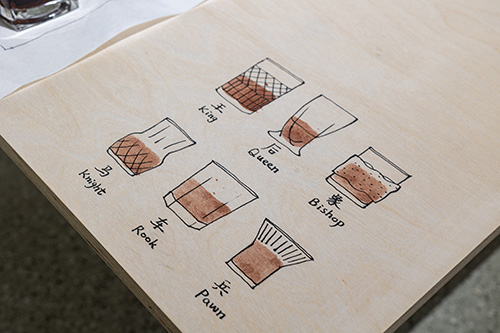
1. Since the chess set they brought along was too small, the artists improvised with local materials to create an oversized set using rice paper and drinking glasses.
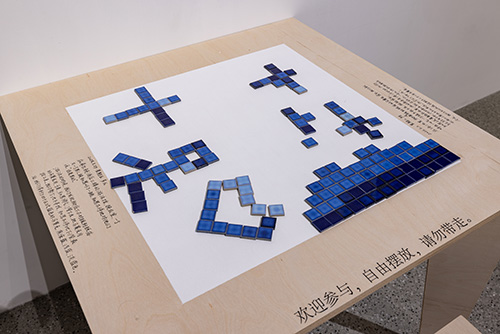
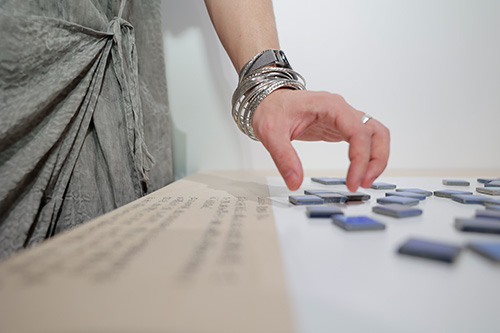
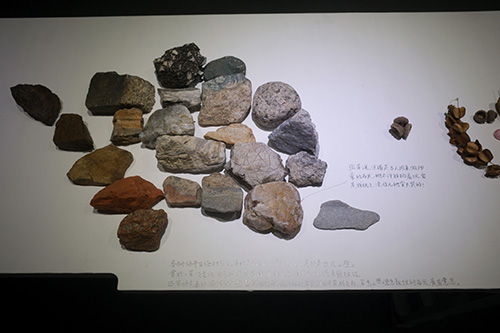
2. During the hot summer days, Zhien collected blue mosaic tiles that had fallen off the bottom of the swimming pool while swimming.
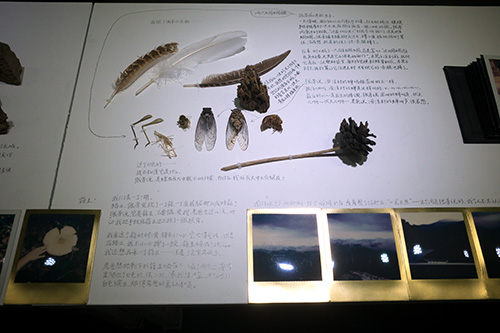
3. Additionally, Li Mu kept a diary and took photos to document the ordinary, trivial moments of daily life throughout that month.
Photography, Video, and Workshops Dimensions variable, Li Mu 2025
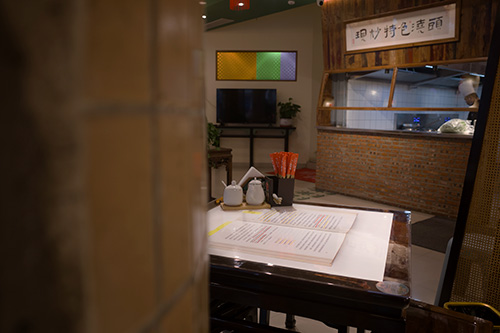
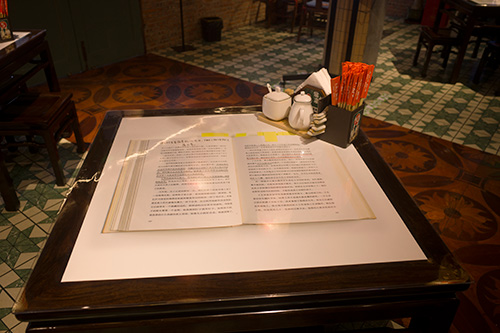
For the past six years, much of my work has revolved around education—not as a teacher within a school system, but as a personal exploration. I observe children and practice education in nature and in everyday life.
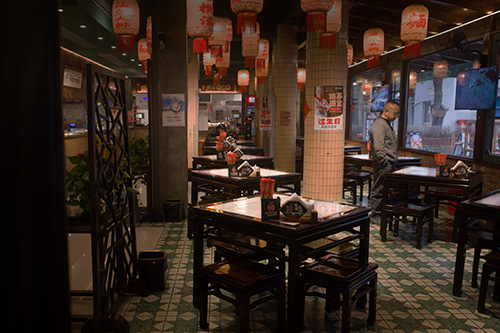
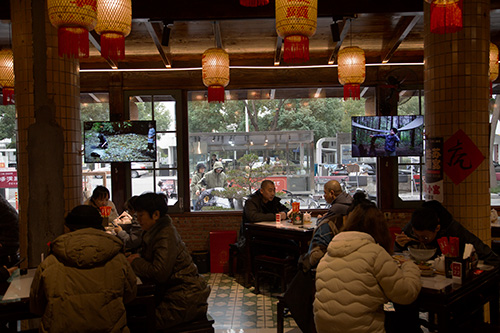
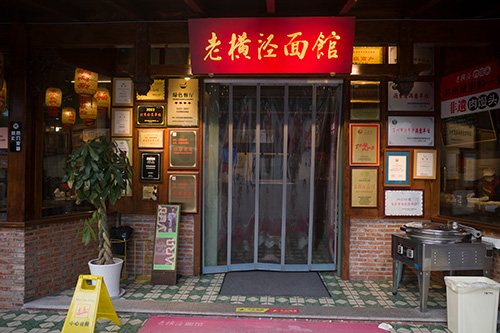
This time, I am creating an art project about education inside a noodle shop. The project consists of three parts:
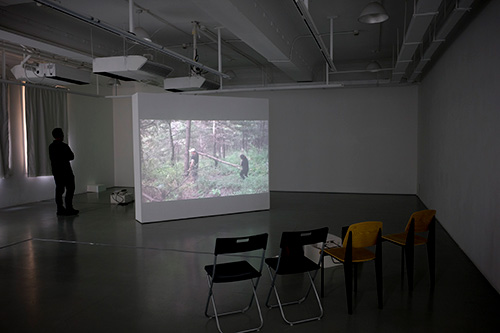
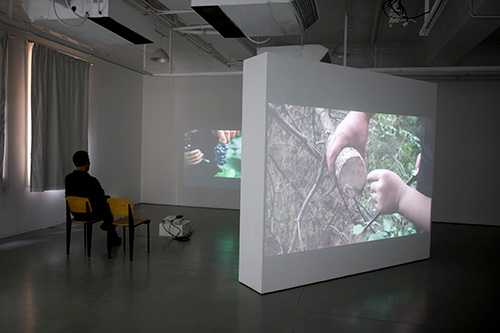
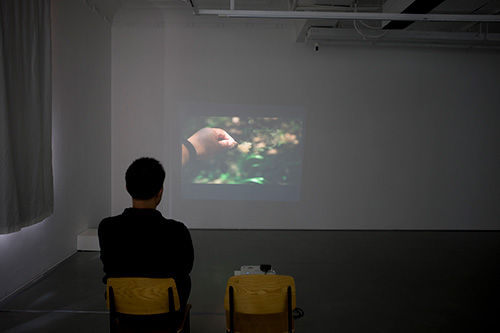
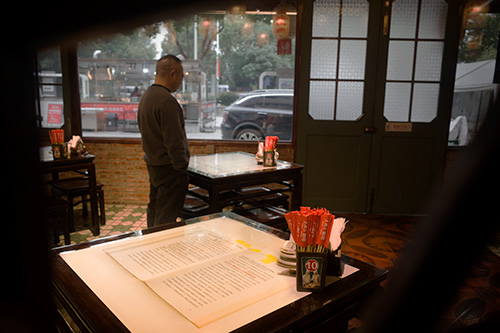
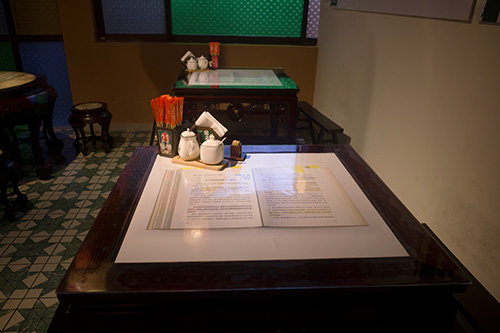
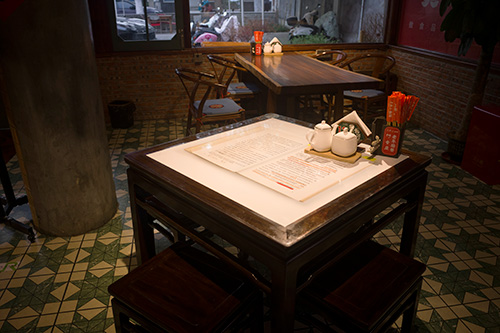
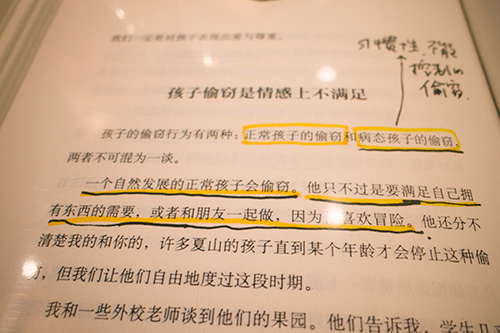
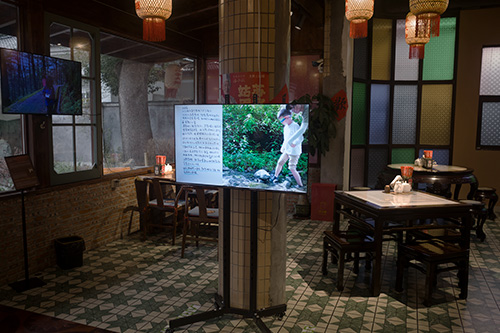
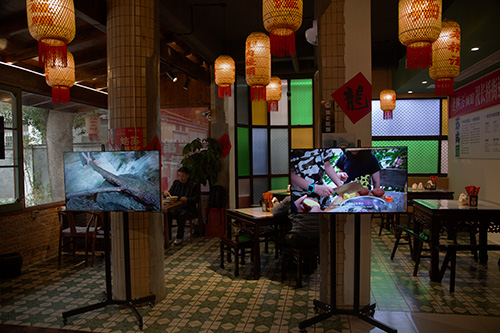
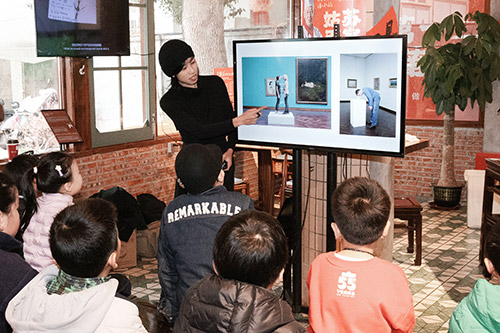
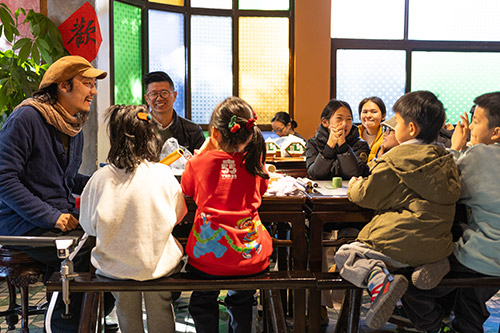
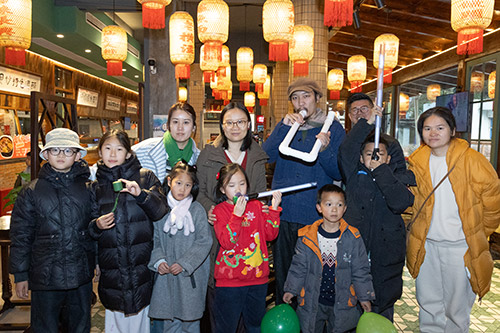
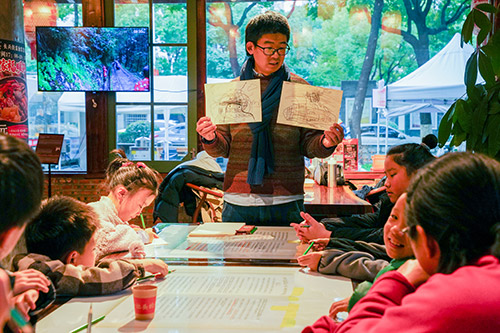
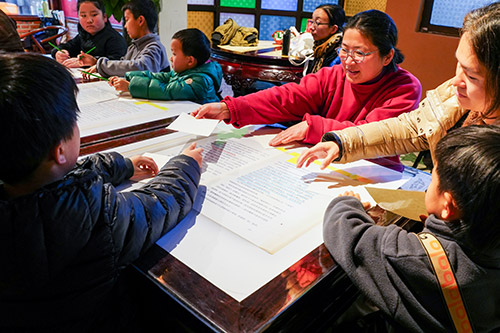
1. Photography: Pages from Summerhill School —a book that has profoundly influenced me—are displayed as photographic works across the 12 square tables of the noodle shop. 2. Video: Five videos will be screened within the space, documenting Wild Fruit Summer Classroom, a nature education course I co-led with Zhang Fang in the Cangshan Mountains of Dali in 2023. 3. Workshops: Treating the noodle shop as a classroom, I will host four workshops during the exhibition, led by artists KIMVI, Tang Guanhua, Ding Haibin, and Zhang Fang.
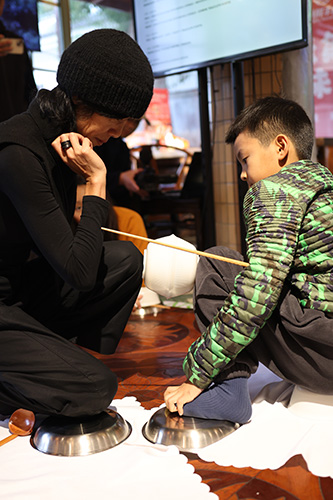
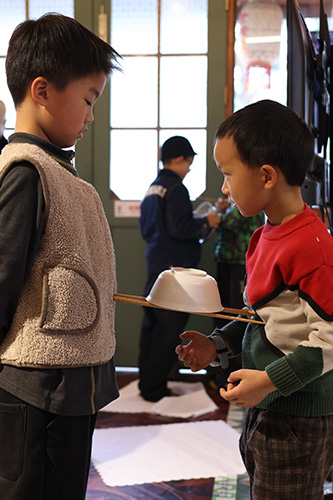
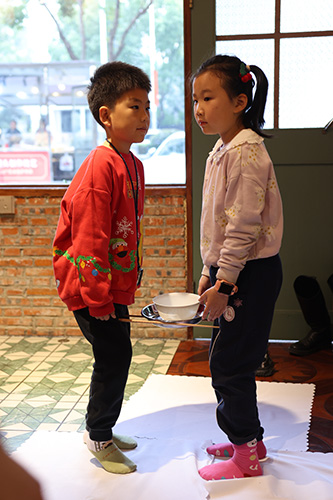
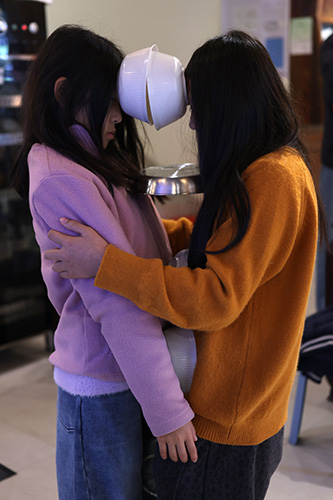
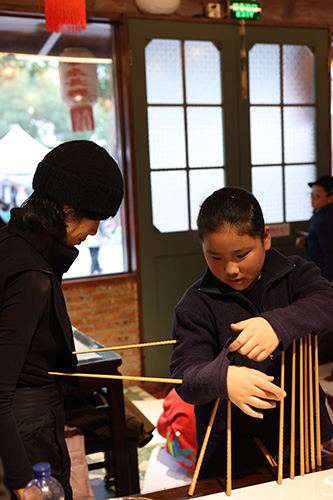
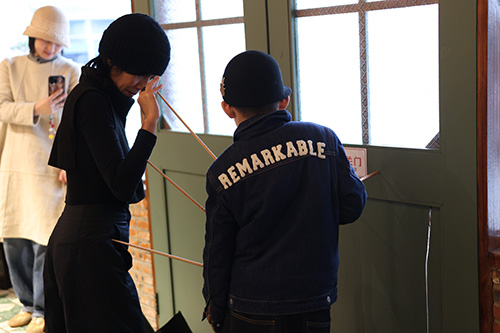
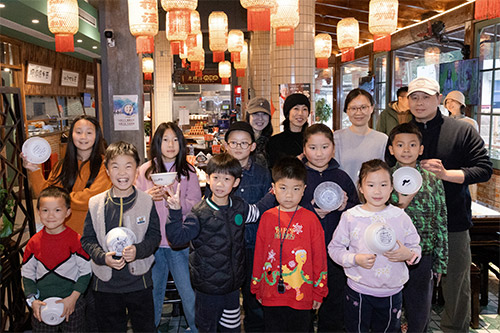
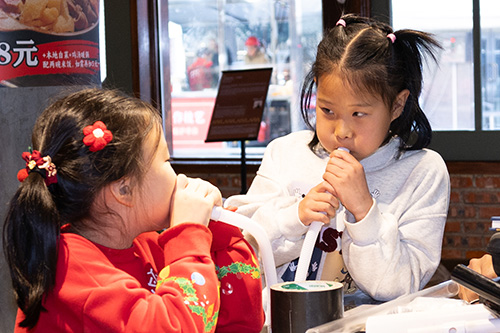
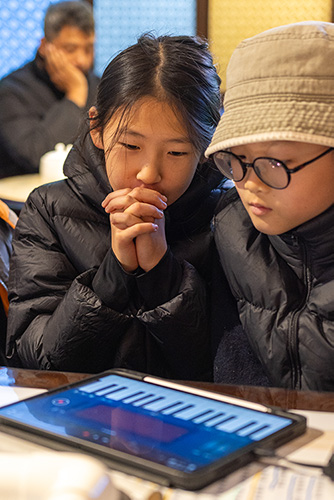
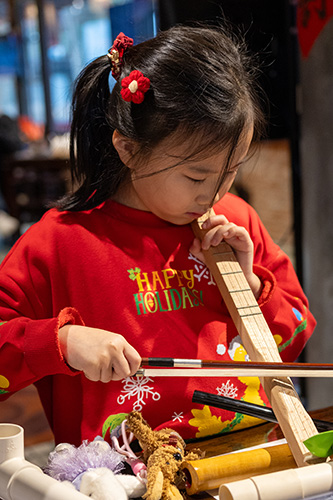
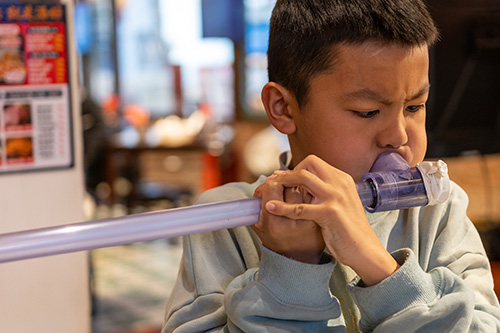
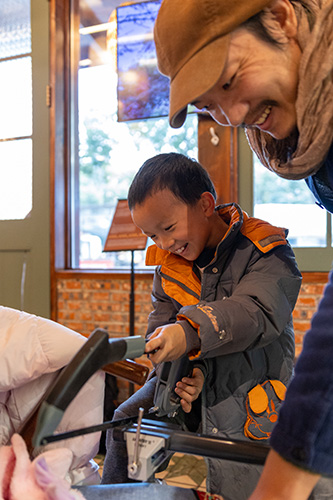
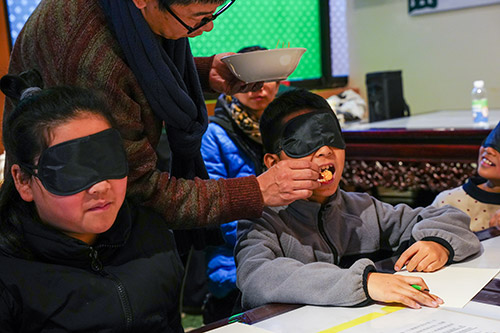
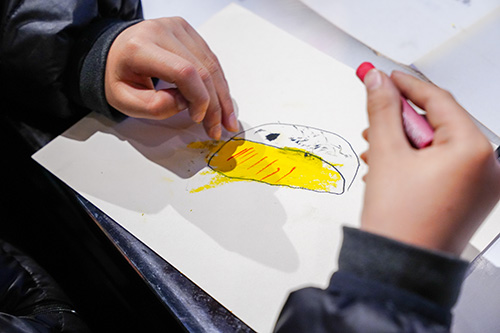
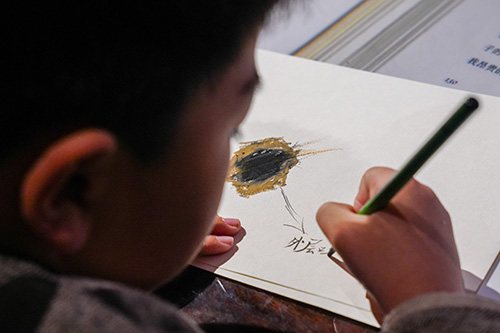
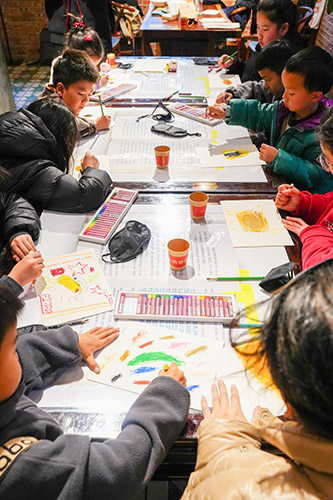
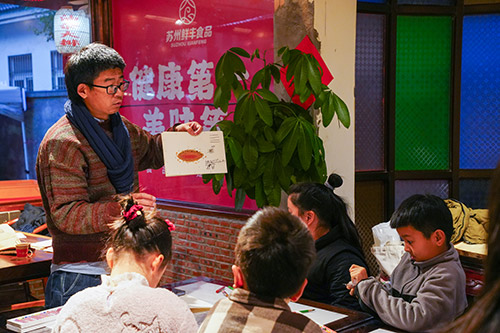
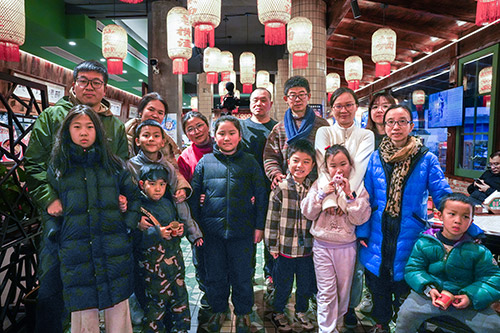
Welcome to Noodle Body Labs, a playful workshop where children become both the artist and the art! Using eating utensils and a Noodle restaurant as our creative laboratory, we’ll explore balance, connection, and imagination—with our own bodies as the primary material.
In this two-hour session, young creators will engage in a series of fast-paced, collaborative sculpture experiments. Through solo, partner, and group challenges
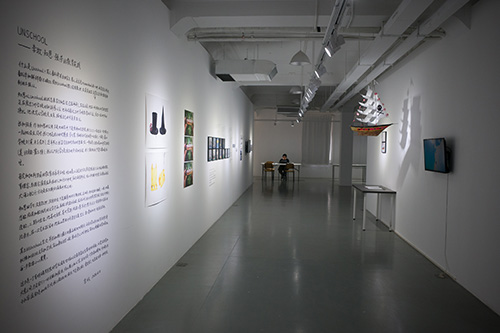
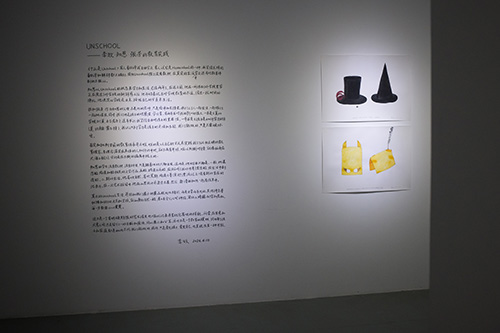
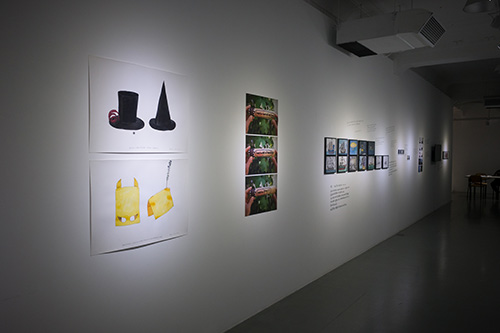
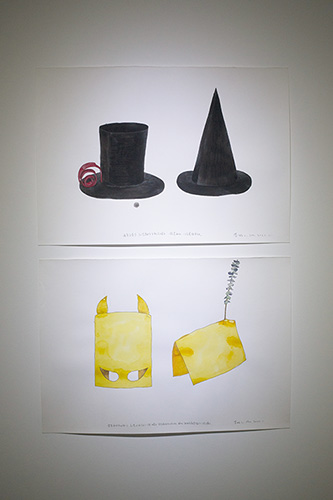
UNSCHOOL ——The Educational Practice of Li Mu, Zhi’en, and Zhang Fang
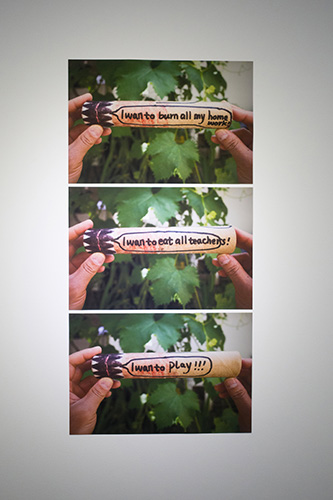
What is Unschooling? Some translate it as “free learning,” while others describe it as a form of homeschooling. I believe neither of these translations or explanations is entirely accurate, because Unschooling involves not only learning through real-life experiences without textbooks but also an act of non-conformity against the educational system.
Zhi’en has been learning and living as an Unschooler for two years now. Before that, he attended an alternative school—one outside the conventional system. Once the novelty of school wore off, he began to show signs of discomfort with the school system. After a period of struggle, he decided to leave school and live life at his own pace.
As Zhi’en’s parents, Zhang Fang and I are not his teachers, but simply companions and supporters. The three of us live together, travel together, and work on projects together. At the same time, we are also observers and learners of our child. Two books have had a profound impact on me. One is Summerhill (UK, A.S. Neill), which convinced me of the importance of freedom for children; the other is How Children Learn (US, John Holt), through which I realized that learning is a child’s innate nature and instinct, and that all we can do is avoid destroying it.
It is not difficult to criticize the current educational system; the real challenge lies in putting the educational principles we believe in into practice in our own way. When these principles are applied to specific people and actions, there are no longer any fixed benchmarks, making it hard to judge
right from wrong. It is like a lone boat sailing on the open sea—the course is corrected through constant adjustments as it drifts off course.
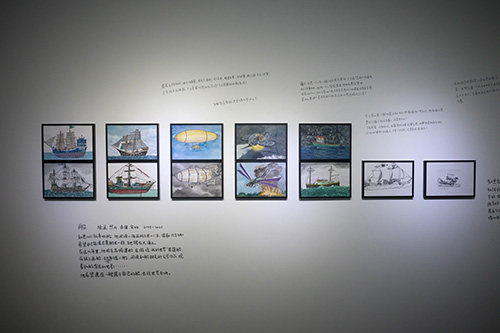
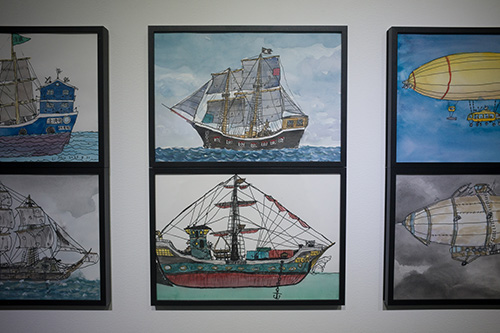
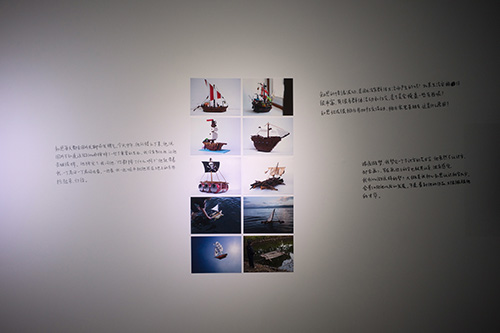
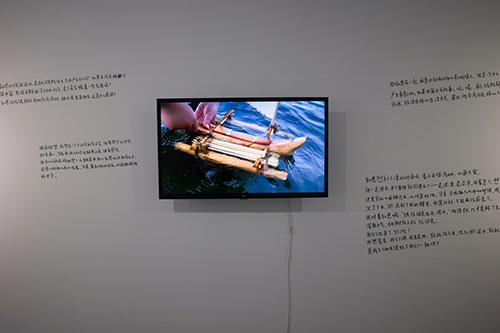
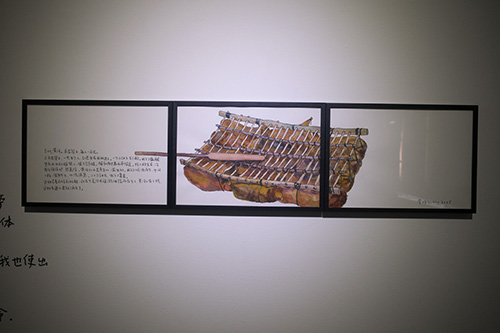
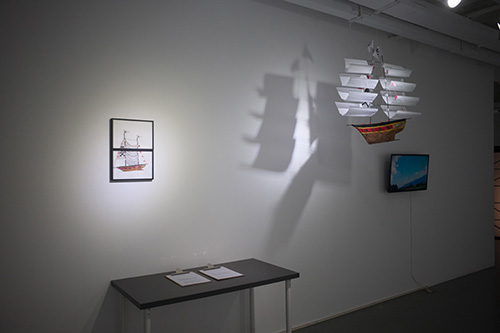
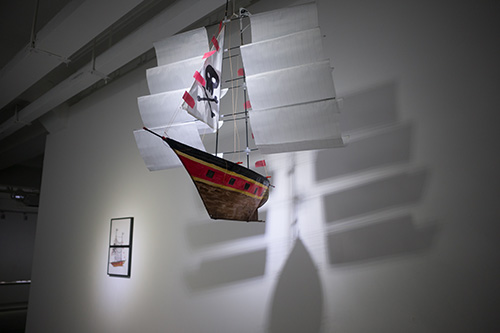
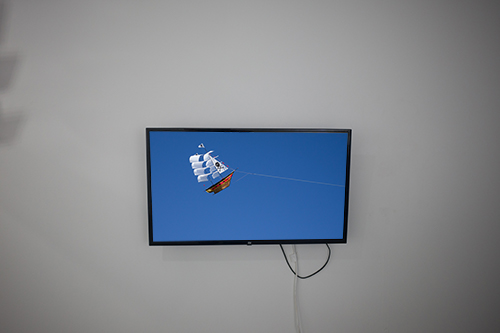
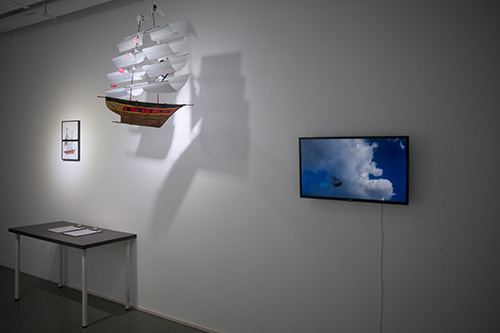
Zhi’en’s learning has no textbooks and no subjects. It simply follows his interests. Over the past two years, his main interests have been: 1. Boats. He is fascinated by boats: he reads boat-related literature, draws boats, makes LEGO boats, builds ships in the game “Minecraft,” and even crafts boats in real life; 2. Wilderness living. He loves nature and the wilderness; he reads Robinson Crusoe and watches survival documentaries. During an art residency, he designed and built a log cabin in the mountains, then invited me to live there with him.
Real unschooling life is not as consistently exciting as the exhibits we present; rather, it is more mundane and ordinary, interspersed with hesitation and wandering, helplessness and perseverance. Just like being in nature, it may seem refreshing and delightful, but in reality, it harbors hidden dangers and crises, requiring us to tread carefully with every step.
This is not an art project with a clear deadline, nor can it be objectively documented and presented. Fortunately, intentionally or unintentionally, some fragments and traces have been left behind to showcase and share. Nor is this a template for education, for every child and family is so different. Perhaps all we can do is see the children, see ourselves, and present another possibility.
]]>http://www.iamlimu.org/blogview.asp?logID=405<![CDATA[HAPPY NEW YEAR 2026]]>AdminDiary2026-03-05 06:18 PM]]>http://www.iamlimu.org/blogview.asp?logID=404<![CDATA[You Are Artist]]>AdminWorks2025-06-02 10:08 PM=538) {this.width=538;}" onmouseover="this.style.cursor='hand';" alt='按此在新窗口打开图片' onclick="window.open(this.src);">
In 2012, the artist group ZU ZHI (Li Mu, Zhao Junyuan, Tao Yi, Xu Zhe) created a set of artist publications titled "Funny Art" to introduce contemporary art to children. The publication consists of four volumes, one of which, "You Are an Artist" was created by Li Mu. He chose participatory concepts and performance art from art history as models, instructing children to follow the provided guidelines to engage in these activities, thereby encouraging them to gain their own experiences and understanding.
This series of watercolors is an illustrated manuscript created by Li Mu for "You Are an Artist" with most of them used in the book.
爱的新知识Love Unknown 展期:2025.03.01-2025.06.29Duration:2025.03.01-2025.06.29 策展人:沈奇岚博士OilanCurator:Dr. Shen 展览主办:金鹰美术馆Organizer:G Museum 展览支持:瑞士文化基金会Supporter: Swiss Arts Council ProHelvetia Shanghai
]]>http://www.iamlimu.org/blogview.asp?logID=403<![CDATA[Blue Books in ASE Foundation in Shanghai]]>AdminWorks2025-05-16 06:19 PM=538) {this.width=538;}" onmouseover="this.style.cursor='hand';" alt='按此在新窗口打开图片' onclick="window.open(this.src);">
Artists and projects: Zhang Peili, Jasphy Zheng, Ding Yi, Li Mu, Liu Ding, New Measurement Group, Li Shuang, Cheng Xinhao, Zheng Guogu, Yang Yuanyuan, Qiang Weikang, Huang Yongping, Liu Chuang, Tao Aimin, Feng Huo Magazine, 45 degrees as a Reason, November 24th as a Reason, Black Cover Book, White Cover Book, Grey Cover Book, The Wildlife project, Birdhead, Hu Jianping, Geng Jianyi, Xia Chengwei, PDF magazine.
This exhibition is the outcome of a long-term research project and a curatorial interest in articulating a relationship between books, storytelling, and artistic practices in China. It aims to underline historical and current understandings of the book as a medium, while also opening space for the book’s plural materialities, its tactile qualities, and different forms of storytelling. The exhibition offers insights into the historical trajectories of artists whose relationships to books are often complex and entangled with questions of authorship and readership—specifically, who writes books and for whom, and what kinds of literacies we need to grasp these ideas and their context.
Books represent knowledge and symbolize authority through their content and distribution. Conversely, writing—understood here in an expanded sense as leaving a trace intended to communicate with others—serves as a way to participate in struggle and disseminate knowledge as a form of worldmaking.
This exhibition research explores the role of the book in the context of China from 1979 until the present day, positioning 1979 as an important symbolic point of Cultural Fever, with the beginning of DuShu publishing and its leading article “No Forbidden Zone in Reading”. This moment greatly influenced Chinese intellectuals and marked the beginning of a period of translating Western thought, alongside a publishing fever during the 1980s that influenced many artists and their ways of thinking.
Over the last thirty years in China, the book has played various roles, with artists using different
strategies to address their relationship to this specific medium. For artists, books open different kinds of space towards storytelling. Many artists intentionally choose the book as a way of distancing themselves from the exhibition as the sole mode of artistic presentation. In books, artists recognize the potential of this specific medium of expression to enable not only the act of viewing the work, but also reading the work, and more importantly, allowing readers to touch the work. Today, artists’ books are important artistic tools, not only for knowledge transmission and reading, but also as important conceptual vehicles for artists’ thought. Allowing for touching, viewing, and physically engaging, artists’ books offer tactile experiences and sensorial pleasures that other art objects cannot provide.
For some, artists’ books are a way of democratizing art as many people can own these works and have access to them. At the same time, many artistic projects featured in this exhibition are entangled with decolonial and feminist perspectives and methodologies, using books as tools for challenging dominant narratives. This research explores different positions and relationships: between books and artistic practice; knowledge transmission and community formation through decentralized dissemination of ideas; storytelling by those on the margins; and forms of literacy that challenge human-centric worldviews, inviting us to be more attentive to our interdependence with more-than- human worlds.
Each book makes its own contribution to struggle. Thus, this exhibition doesn’t have a unique title in Chinese. Instead, it has as many titles as there are artists’ books, each inviting you to engage with them. The exhibition provides a comprehensive presentation of artistic practices that repeatedly return to the book as both a medium of expression and a form of dissemination.
As our reading and social habits evolve, artists’ books continue to offer us physical and tactile interactions that digital screens cannot provide. I propose we understand the character Du (to read) not merely as a way of reading a script, but as a way of embodying struggle and as an invitation to leave a physical trace. Scholar Ian Hunter notes that reading is somewhere between breathing and judging. Beathing is an automatic and natural activity most of the time, while judging—as in courts or beauty contests—is a highly social activity so charged with social and cultural meaning that there is nothing natural about it. Therefore, here I propose to recall Stephen Muecke’s reminder to understand reading as a form of cultural and historical determination, rather than as a matter of individual difference.
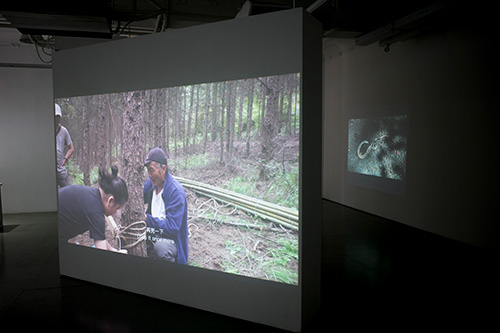
Door in the Mountain Documentary HD 16:9 76 minutes Li Mu?*Zhien *Zhang Fang 2024
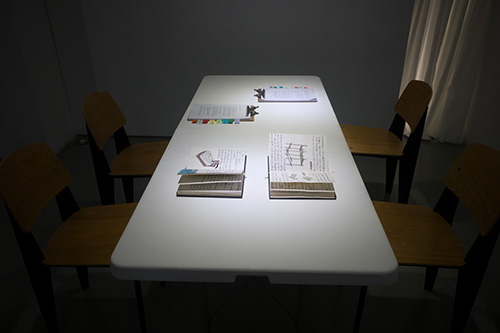
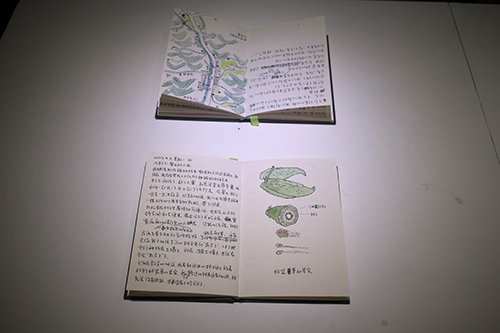
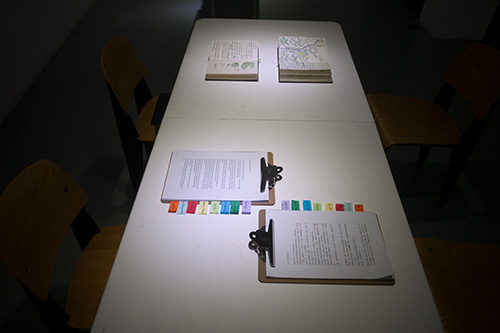
In August 2024, 9-year-old Zhien and his parents (Li Mu and Zhang Fang) did a two-month artist residency under the ancient Great Wall of Jinshanling, Hebei Province, China. In the first month, Zhi'en and her parents observed and collected plants at the bottom of the mountain, on the mountain and in the village, and learned about nature. In the second month, Zhi'en sketched and designed a wooden house in the mountain, and with the assistance of Bai Chunxiang, an aborigine, he completed the construction of the wooden house with six pine trees as pillars and hemp rope to connect and fix the structure. After that, he lived in a wooden house with his father, observing nature and experiencing life in nature.
 ]]>


 ]]>


